Microtia Treatment Options — A Clinical Comparison
This comparison covers four treatment approaches across the clinical dimensions most relevant to long-term outcomes — based on peer-reviewed surgical literature and Dr. Bonilla’s thirty years of clinical experience.
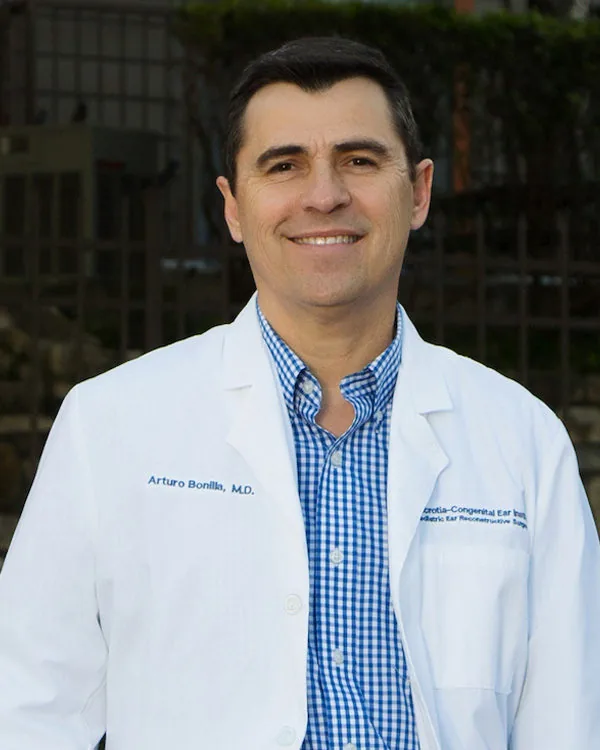
Medically reviewed by Arturo Bonilla, MD — August 2026
Key Clinical Factors Compared
Click any row to expand the full clinical explanation. Use the filter bar above to focus on specific comparisons.
| Dimension | Natural Rib CartilageAutologous · Living tissue | Medpor/Su-Por Synthetic · PHDPE implant | Prosthetic Ear External · Silicone | Cadaver Cartilage Homologous · Donor tissue |
|---|
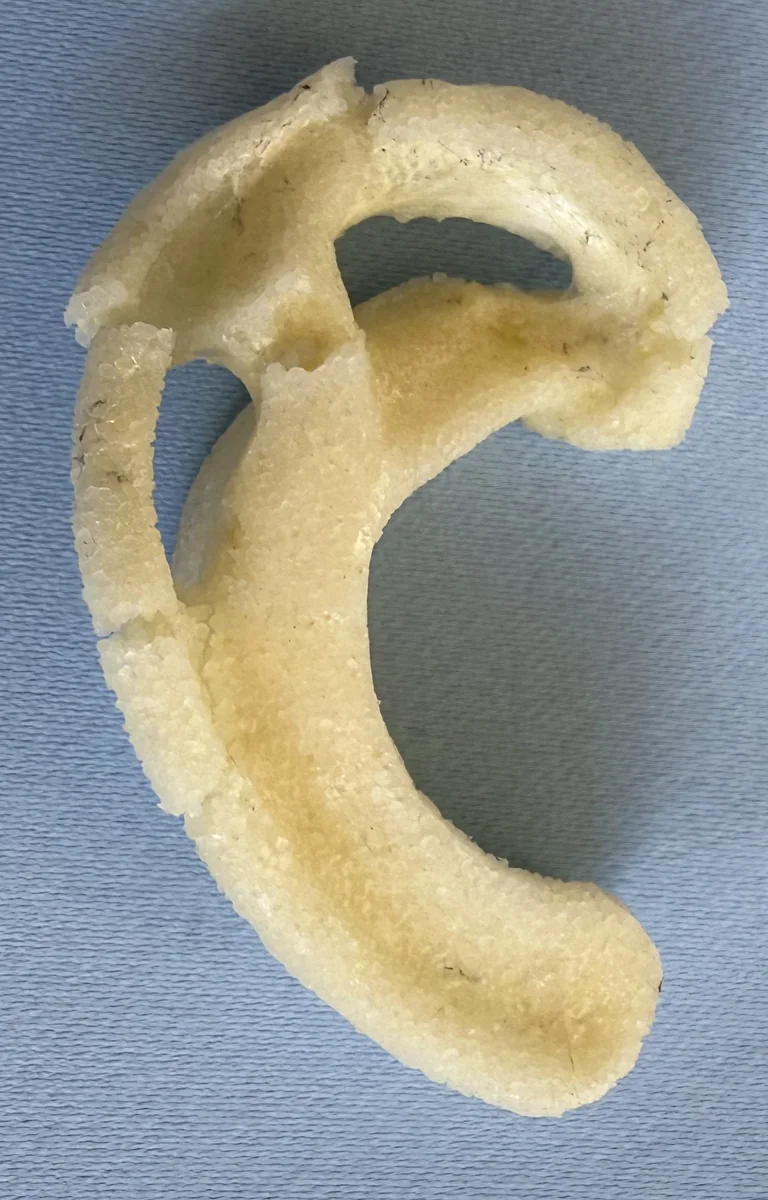
When Is Each Option the Right Choice?
An honest summary of where each approach performs best — and where it has real limitations.
- ✓Most widely used approach for permanent reconstruction
- ✓Living tissue — grows with the child for life
- ✓No rejection risk; no implant to replace
- ✓Results are highly dependent on surgeon experience and case volume
- –Usually ages 6–9; timing assessed individually
- –Rib harvest adds a small chest scar
- –Requires a highly experienced surgeon
- ✓Can be performed as young as age 3
- ✓No rib cartilage harvest required
- ✓Defined ear framework shape from the outset
- –Synthetic material — does not grow with child
- –Significantly higher extrusion and exposure risk
- –Infection can require complete implant removal
- –Extremely difficult to revise; limited salvage options
- –Temporoparietal fascia flap required — complex scalp surgery
- ✓No surgery required for adhesive type
- ✓Can be fitted at any age
- ✓Highly realistic color-matched appearance
- ✓Best option when surgery is not possible
- –Must be removed, cleaned, and replaced every 2–5 years
- –Adhesive can fail; not suitable for all activities
- –Implanted magnet type requires surgery and maintenance
- –Ongoing lifetime cost and replacement
- ✓No rib harvest scar for the child
- ✓Biological material — not synthetic
- ✓Used by some surgeons as an alternative to autologous rib
- –Irradiated donor tissue resorbs over time
- –Long-term structural integrity less predictable
- –Does not grow with the child
- –Limited long-term outcomes data vs. autologous cartilage
Contact Dr. Bonilla
Dr. Bonilla will review your child’s specific anatomy, grade, and surgical history and provide a personalized assessment of which approach is most appropriate.
To request a consultation, submit your information through the contact form and Dr. Bonilla’s team will be in touch to schedule a virtual appointment.
This comparison is based on peer-reviewed surgical literature and Dr. Bonilla’s published clinical outcomes. Complication rates, revision difficulty, and long-term outcomes reflect aggregate published data and may vary by surgeon experience. This information is educational and does not constitute medical advice. Please consult directly with Dr. Bonilla for guidance specific to your child’s anatomy and grade.