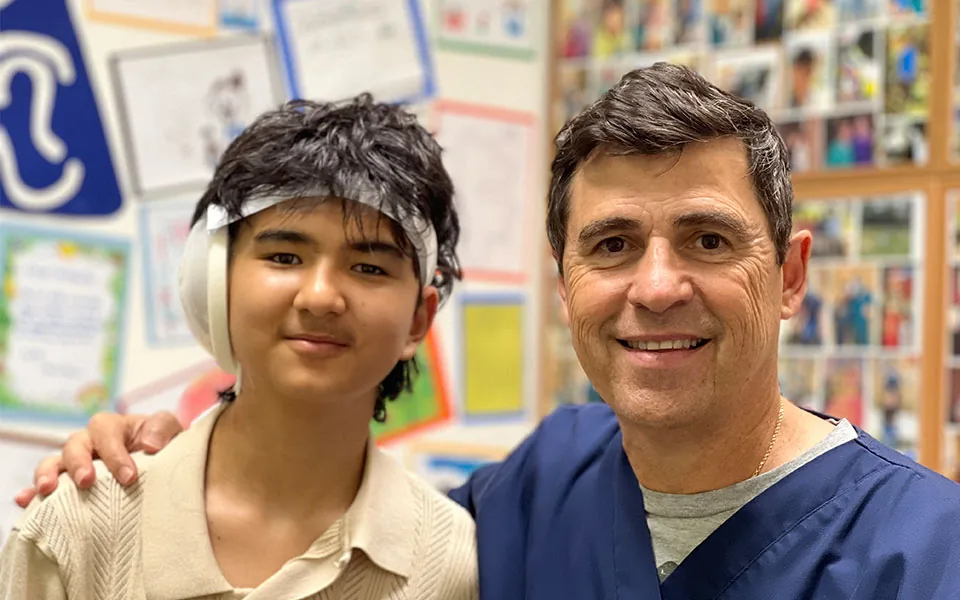
Dr. Arturo Bonilla has performed pediatric microtia reconstruction exclusively since 1996. He does not perform any other surgical procedure.
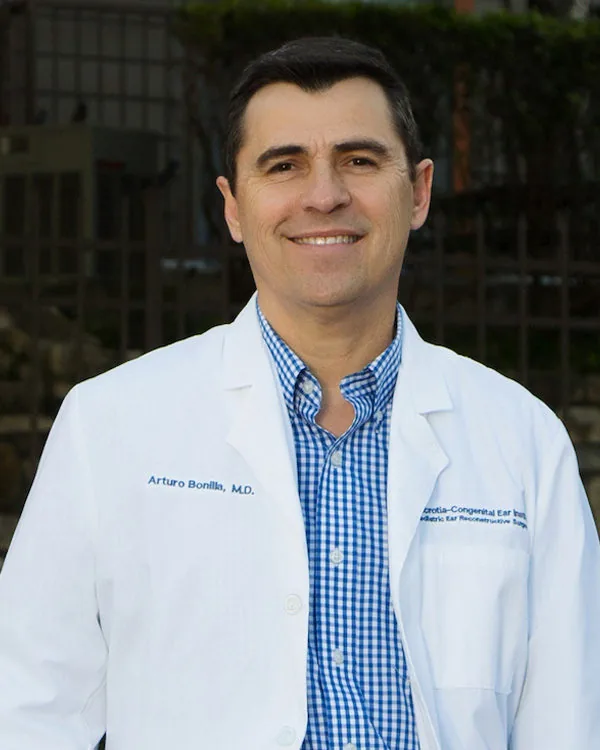
“We are so blessed that we found him. He not only is an amazing surgeon but he is also an amazing human being. He has a huge heart. He is an artist.”
Peer-Reviewed Publications and Textbook Chapters
- Bonilla AR. Chapter 21: Surgical Management of Microtia and Congenital Aural Atresia. In: Pediatric Otolaryngology. Standard training textbook used in residency programs nationally.
- Bonilla AR. Microtia chapter. In: Operative Otolaryngology Head and Neck Surgery, 3rd Edition.
- Bonilla AR. Pediatric Microtia Reconstruction with Autologous Rib: Personal Experience and Technique with 1,000 Pediatric Patients with Microtia. Facial Plastic Surgery Clinics of North America, 2018.PMID: 29153189
- Bonilla AR. Grand Rounds presentation — microtia reconstruction technique and long-term outcomes.
Ask any surgeon you consult for their PubMed ID numbers.
View all publications and speaking →Fellowship Training, Academic Appointments, and Professional Affiliations
- Pediatric Otolaryngology Clinical Fellowship
UPMC Children’s Hospital of Pittsburgh — Pittsburgh, Pennsylvania - NIH Research Fellowship
Department of Pediatric Otolaryngology, UPMC Children’s Hospital of Pittsburgh - Otolaryngology Residency
State University of New York at Buffalo — Department of Otolaryngology–Head & Neck Surgery - General Surgery Residency
Methodist Medical Center — Dallas, Texas - Medical Degree
McGovern Medical School at UTHealth Houston — Houston, Texas
- Active Medical Staff
North Central Baptist Children’s Hospital — San Antonio, Texas - Former Assistant Professor of Otolaryngology–Head & Neck Surgery
University of Texas Health Science Center at San Antonio - Member — American Academy of Otolaryngology–Head & Neck Surgery
- Member — American Society of Pediatric Otolaryngology
- Member — Texas Medical Association
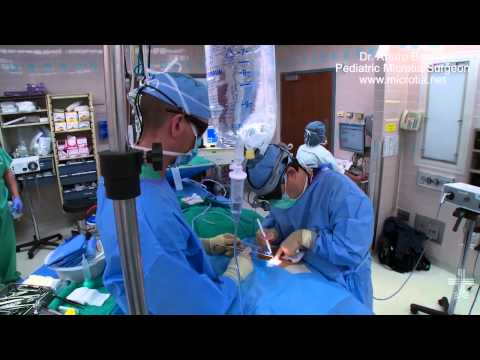
Grand Rounds
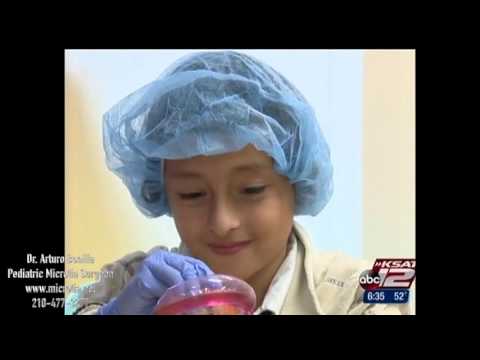
Television Coverage

Community Education
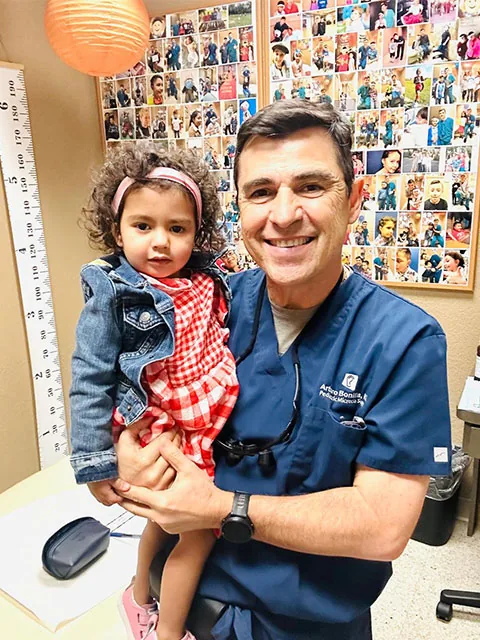
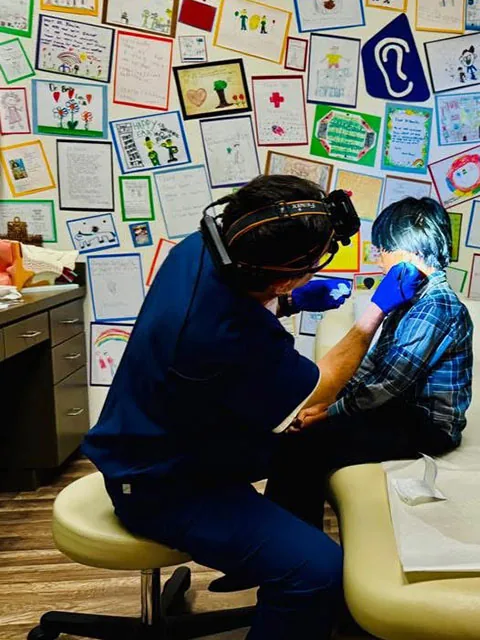
Over thirty years Dr. Bonilla has brought microtia education beyond the clinic — presenting at national conferences, speaking to medical residents, visiting school classrooms, and participating in family community events. The photographs below document a cross-section of that engagement.
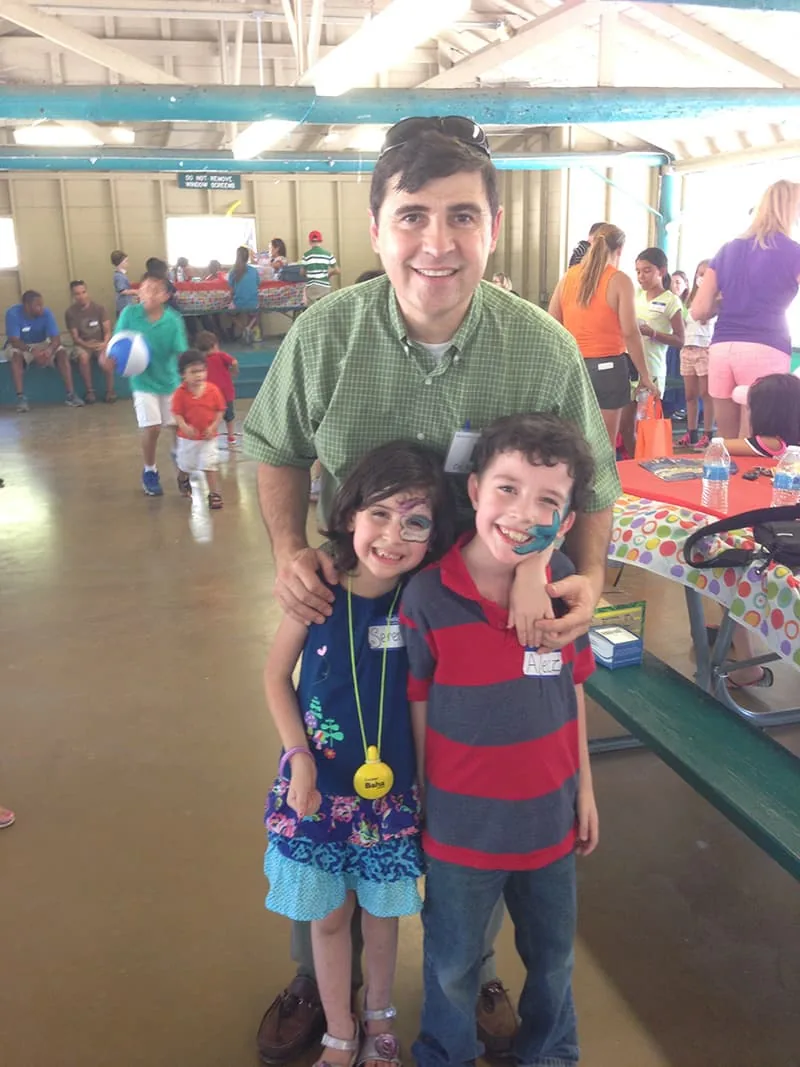
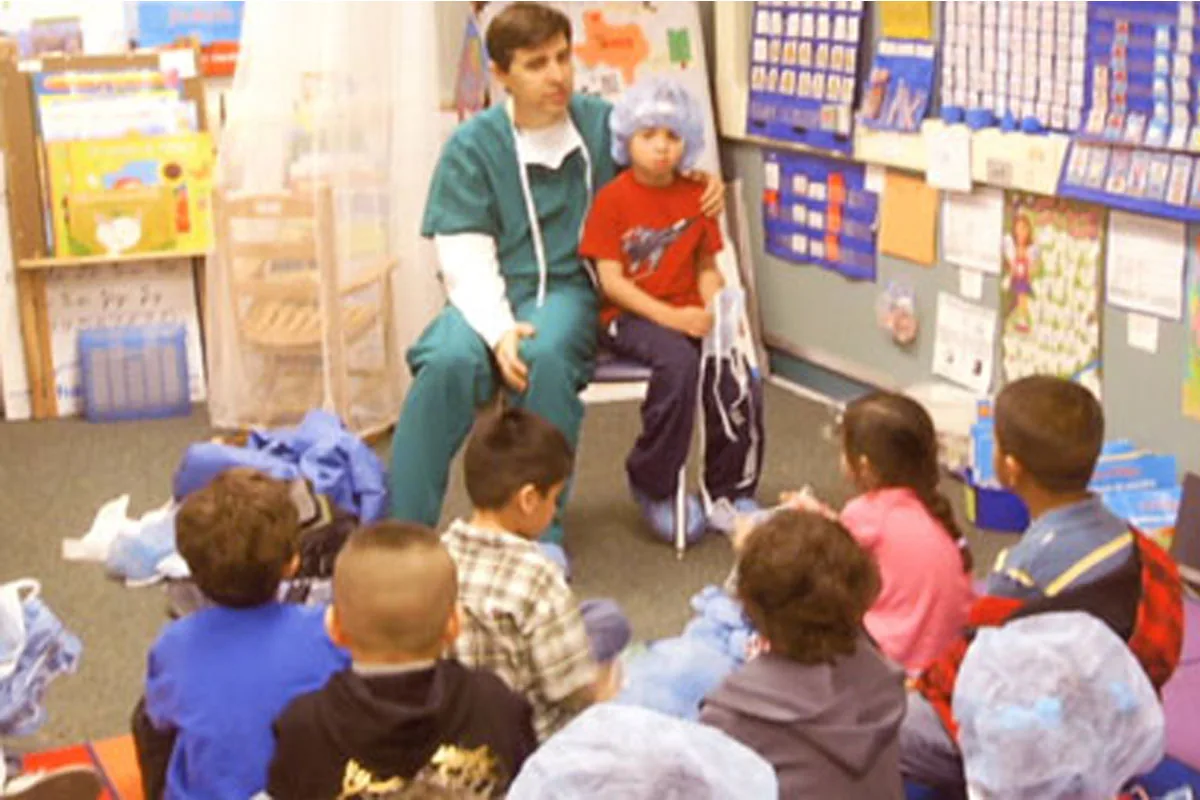
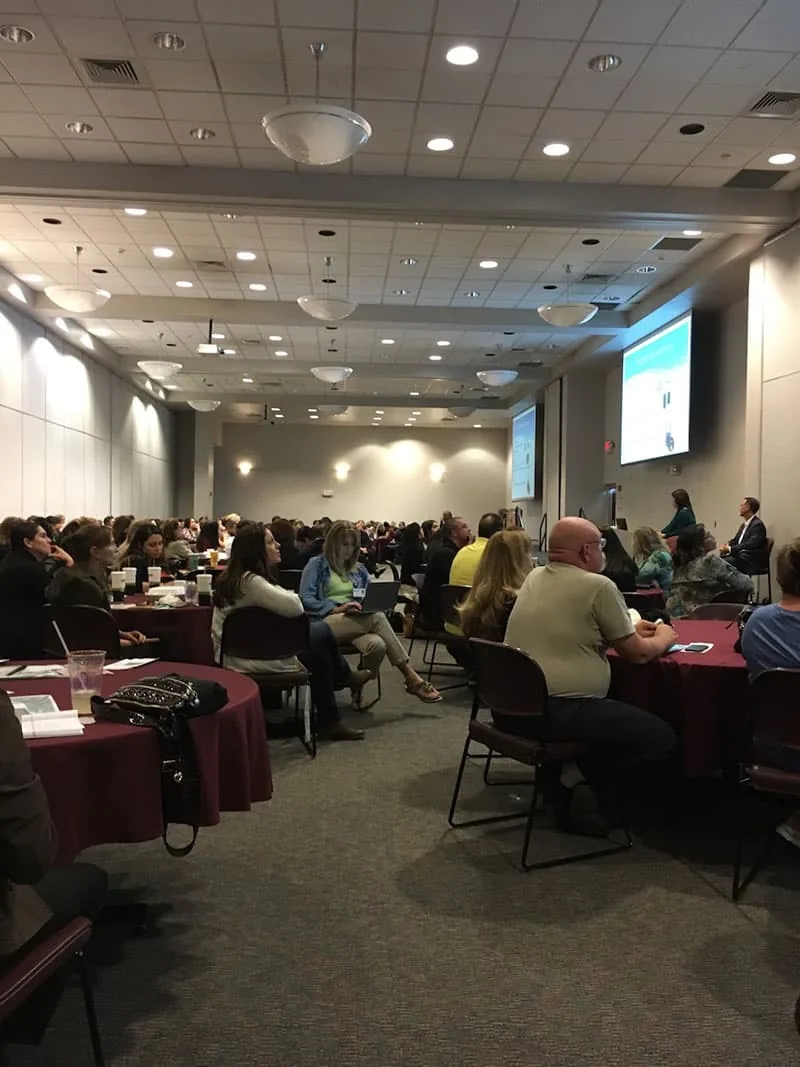
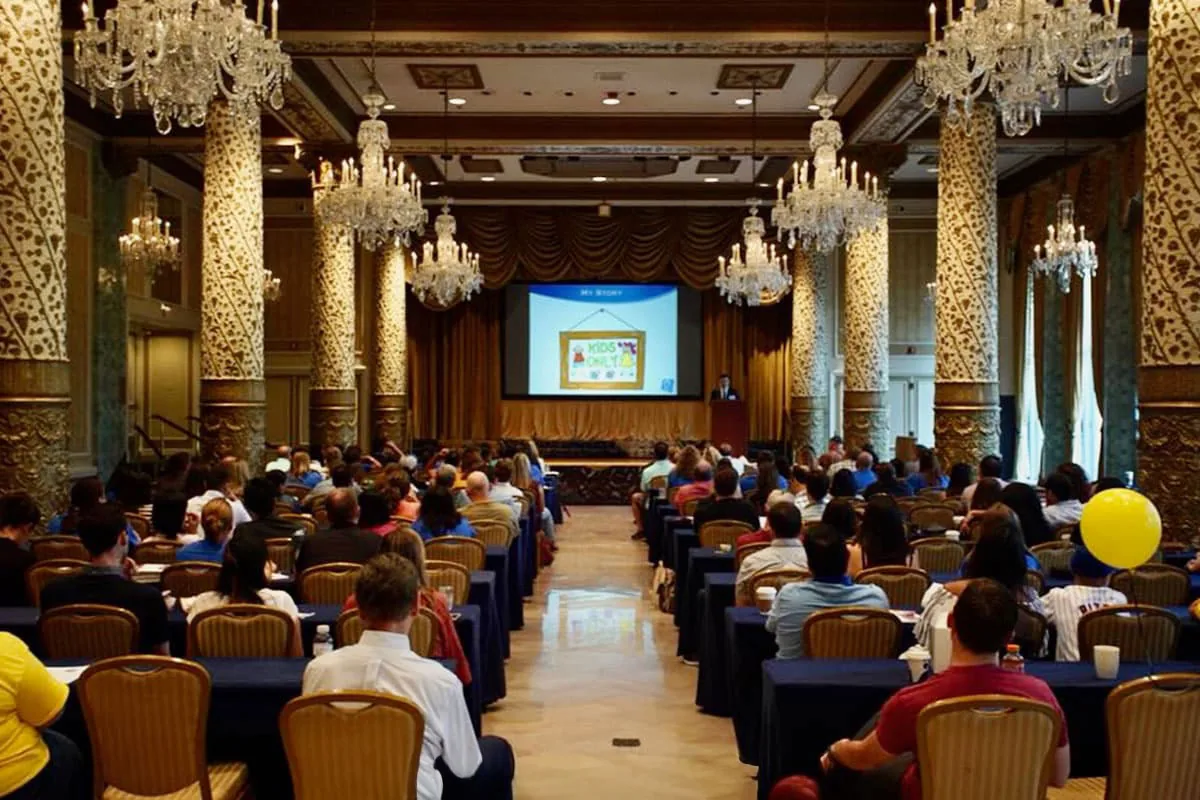
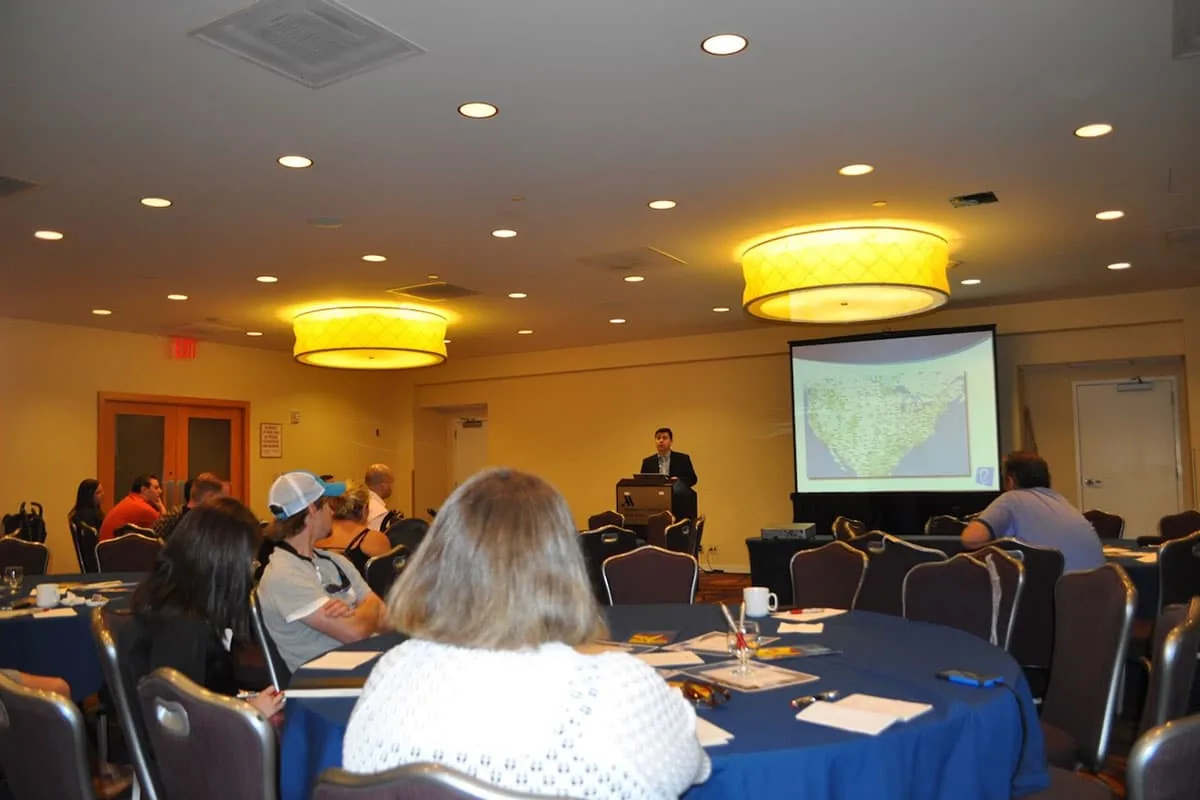
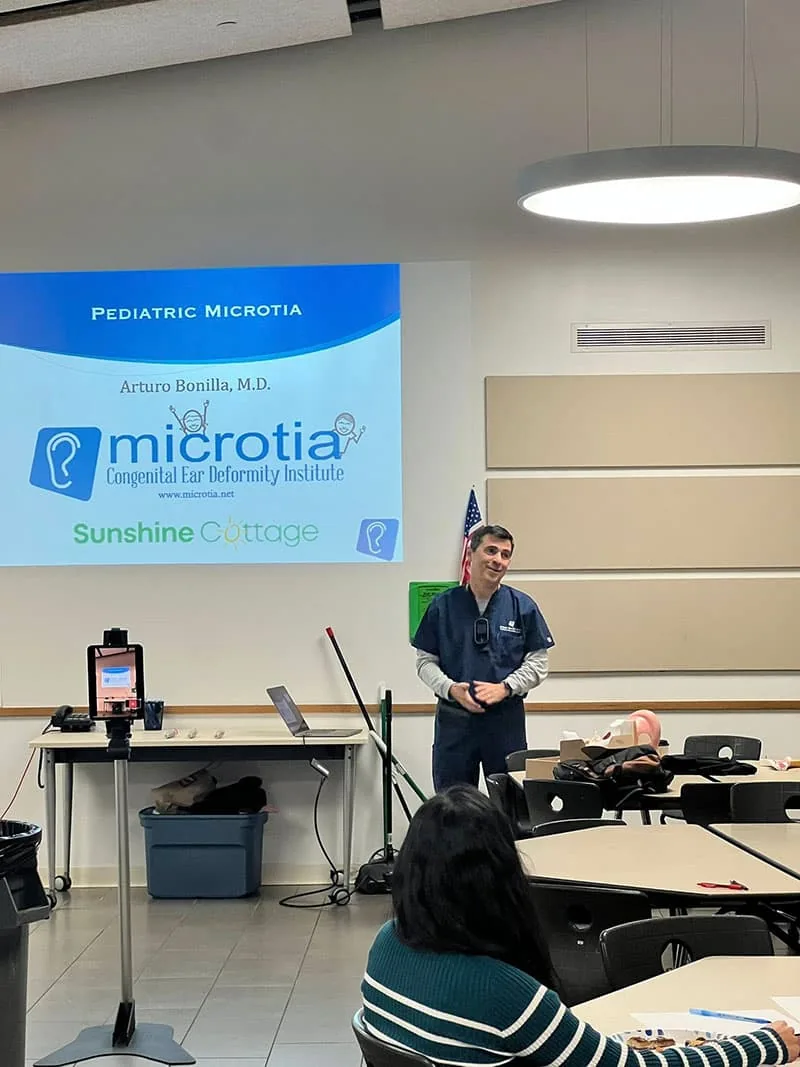
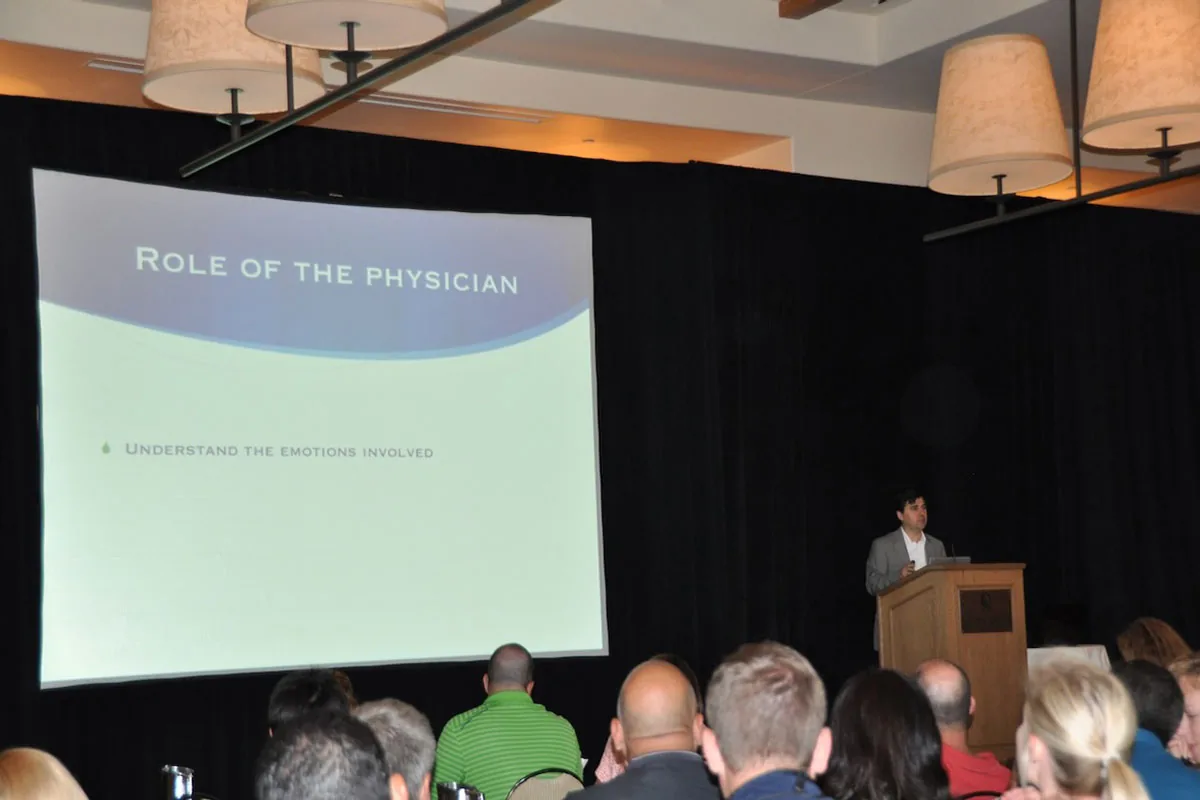
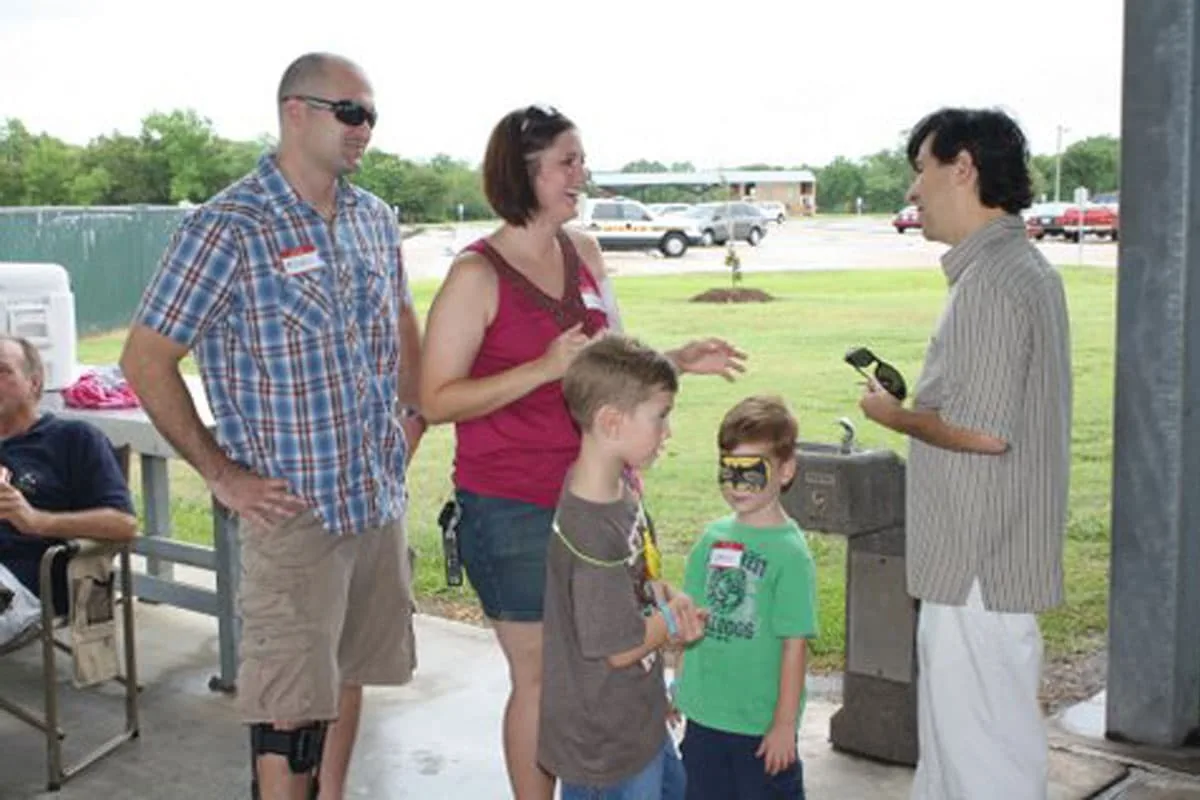
Dr. Bonilla has treated one condition exclusively for thirty years — pediatric microtia reconstruction.
Every child who comes to Dr. Bonilla’s practice has microtia. Every consultation is unhurried. Every surgical plan is specific to that child’s grade, anatomy, and age.

The Six Questions That Actually Define Surgical Excellence in Microtia
These questions are not rhetorical. Every one of them has a verifiable answer — and the answers matter for long-term outcomes.
Does the surgeon perform microtia exclusively — or as one procedure among many?
This is the single most important question and the one most families do not think to ask. A surgeon who performs microtia reconstruction once a month alongside rhinoplasties, facelifts, and otoplasties is fundamentally different from one who has performed it every week for thirty years and nothing else.
Repetition drives refinement. Pattern recognition in the operating room — knowing when cartilage behaves unexpectedly, when a grade presents differently than its classification suggests, when a child’s anatomy requires a modification to the standard approach — comes only from concentrated, exclusive volume. A surgeon who treats microtia as one condition among many cannot accumulate that depth of experience regardless of their general surgical skill. This depth of experience also defines what is possible in revision microtia surgery — among the most demanding cases in this field.
How many microtia reconstructions has the surgeon performed — and on how many pediatric patients specifically?
Volume matters in reconstructive surgery. It matters more in microtia than in most procedures because the condition is rare — affecting approximately 1 in 6,000 to 12,000 births — which means even surgeons who treat it regularly accumulate cases slowly compared to higher-incidence conditions.
Ask any surgeon you consult how many microtia reconstructions they have performed on pediatric patients. Then ask if those results are published in peer-reviewed literature where the methodology and outcomes have been independently reviewed.
Which reconstruction technique does the surgeon use — and what does the published evidence show about long-term outcomes?
There are three main approaches to microtia reconstruction: natural rib cartilage, porous polyethylene synthetic implant (Medpor or Su-Por), and auricular prosthesis. The technique matters enormously for long-term outcomes. Ask any surgeon which technique they use — and why.
Has the surgeon published peer-reviewed research on microtia reconstruction?
Peer-reviewed publication is the mechanism by which the surgical community evaluates and validates a surgeon’s technique and outcomes. A surgeon who has not published their results has not submitted their outcomes to independent scrutiny. Ask for PubMed ID numbers — not just claim of publication.
Does the surgeon treat children exclusively — and from what age through what age?
Microtia reconstruction in adults is technically different from pediatric reconstruction. The cartilage behaves differently. The anatomy is fixed rather than developing. And the psychological stakes of surgery differ significantly between a child approaching school age and an adult who has lived with microtia for decades. Ask whether the surgeon’s experience is primarily pediatric or mixed adult and pediatric.
Can the surgeon show long-term results — not just recent cases?
Any surgeon can show impressive recent results. The more meaningful question is what results look like five, ten, and fifteen years after surgery — when the reconstructed ear has grown with the child, when the cartilage framework has matured, and when the full outcome is visible. Ask specifically to see results from cases performed more than ten years ago.
Families travel to San Antonio from across the United States and more than 50 countries

Dr. Bonilla’s office coordinates all pre-operative paperwork remotely. Most families travel to San Antonio for the initial consultation and surgical stages, then return home between stages. Telehealth follow-up is available for families who cannot travel back for routine check-ins.

Dr. Bonilla’s team has coordinated care for families from more than 50 countries. The office assists with documentation needed for medical travel. Telehealth consultations are available before families travel to San Antonio.
“Dr. Bonilla does not advertise himself as the best microtia surgeon. He has spent thirty years letting his surgical record, his published research, and his patients’ outcomes make that case. The six criteria on this page are not a marketing framework — they are the questions he would ask if he were a parent choosing a surgeon for his own child.”
Dr. Bonilla served as a clinical investigator in one of the first FDA-authorized efforts to bring 3D-bioprinted living tissue ear reconstruction into patient care.
The first procedure in the clinical trial was performed by Dr. Bonilla in March 2022. Results were reported on the front page of The New York Times on June 2, 2022, and covered by more than 90 media outlets across six continents — including BBC News, Reuters, NBC News, CBS News, The Guardian, Scientific American, and MIT Technology Review.
The clinical trial evaluated a 3D-bioprinted living tissue ear implant incorporating the patient's own cartilage cells — a potential alternative to rib cartilage reconstruction. Dr. Bonilla remains actively engaged in following developments in this field.
Read About the 3D Bioprinting Clinical Trial →70 Patient Cases — Grade II Through Grade IV
All photographs published with explicit written patient and family consent. Cases span a range of ages, grades, and ethnicities.
View the Gallery →Dr. Bonilla conducts all consultations personally.
Initial consultations are available via telehealth for families who cannot travel to San Antonio.
Families from all 50 states and more than 50 countries have traveled to his practice.
No referral required.